
 What does traditional Kajkavian culture consists of? Kajkavian traditional culture is made of diverse cultural expressions which were created by Kajkavians in their more than a thousand years old dialog within Central-European circle in which they emerged as a distinct cultural group, since they settled down in 6th century1 along Alpine hills traversing into Panonnian valley.
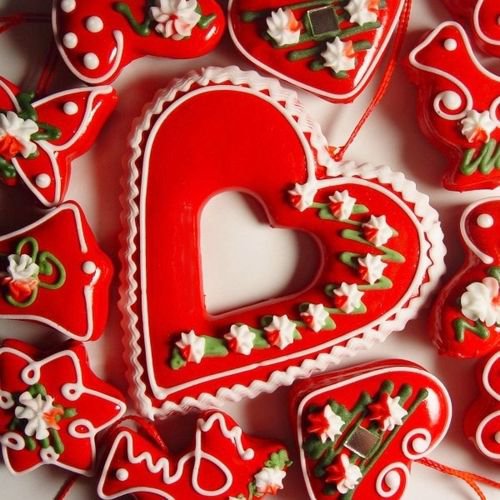
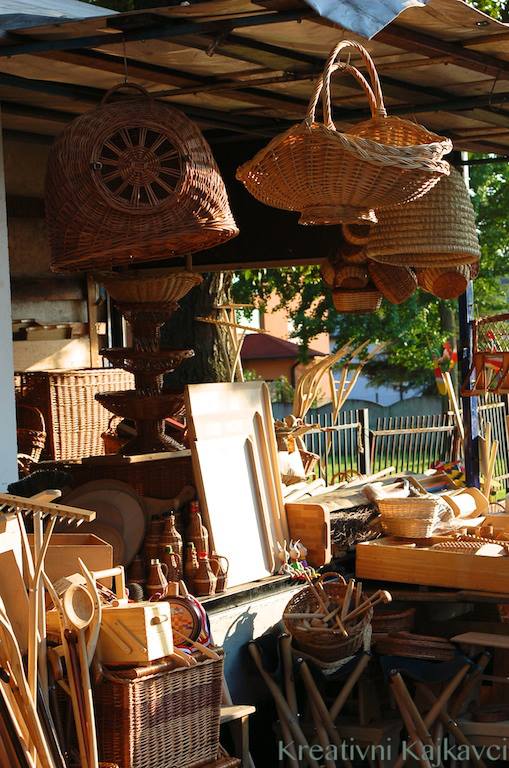
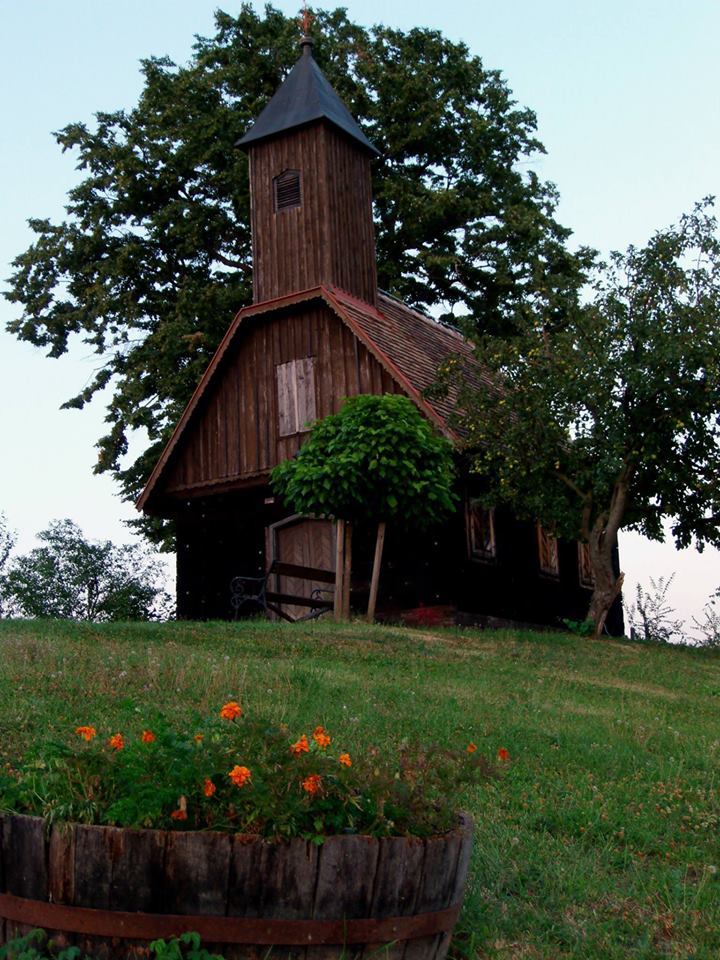
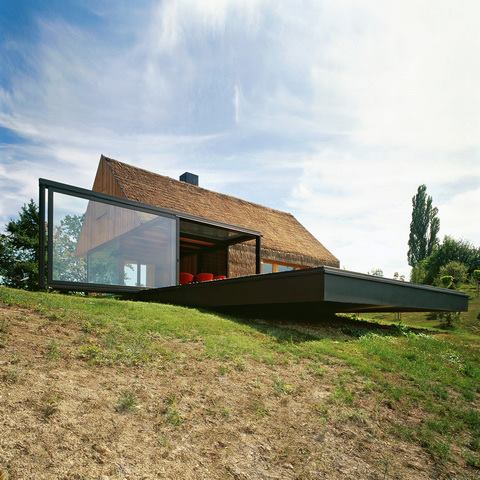
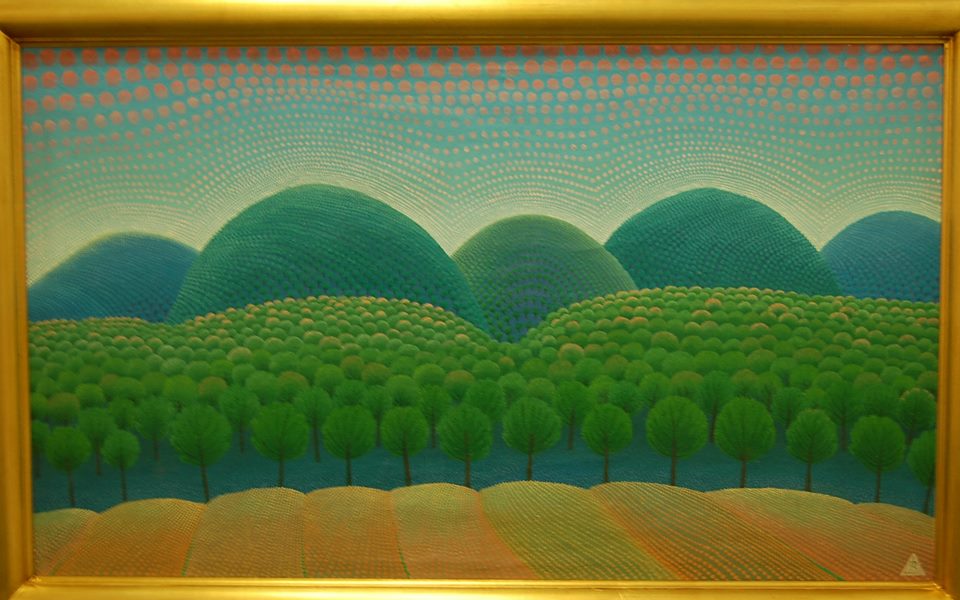
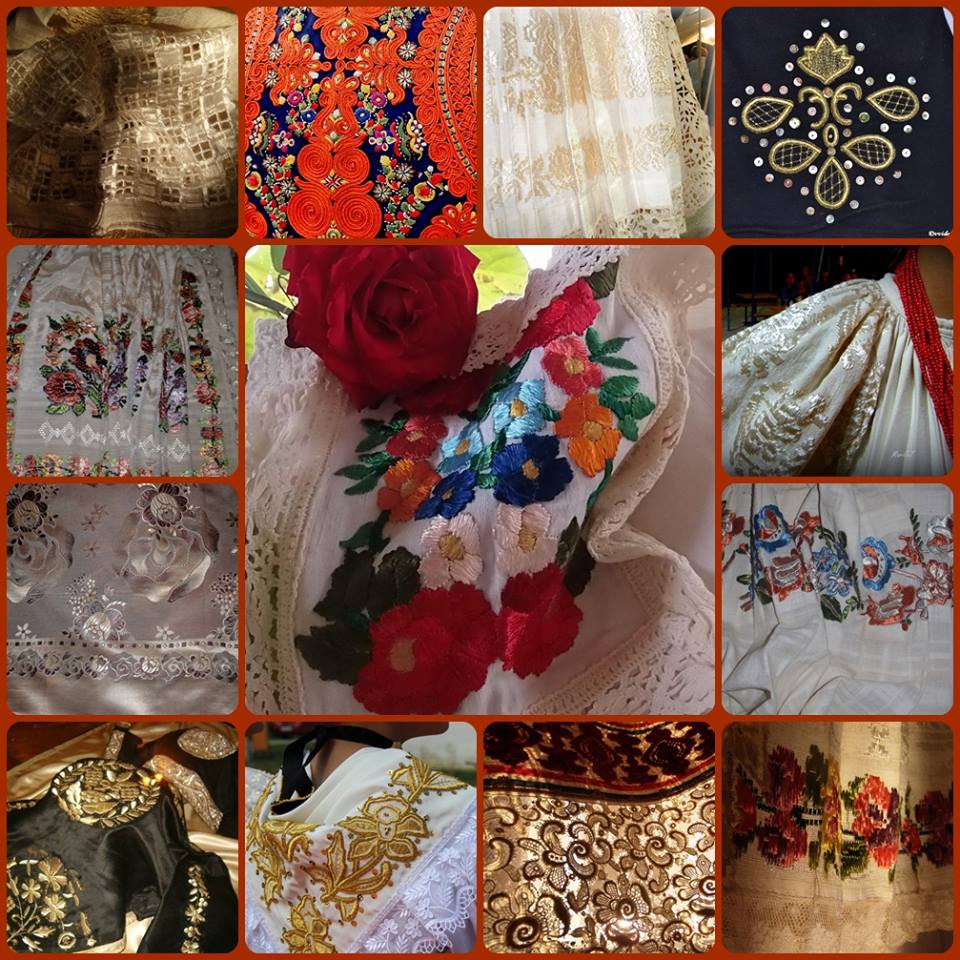
Kajkavian traditional culture consists of rich intagible heritage like pentatonic folk-songs from Medjimorje (Medjimorske popevke)2, Kajkavian mythology3; creation of traditional wooden toys, lacemaking in Lepoglava and Sv. Marija4, gingerbread crafts4 that are present in all of the Kajkavian region. World-famous Kajkavian Art Naive is authentic modern painting direction that emerged from Kajkavian spiritual tradition in Podravje and Zagorje, based on the specific connection of spirituality, landscape with “Zadruga” way of life. Kaikaivan culture is also defined by the Kajkavian language, which is the vehicle and means for expressions like songs, myths and great literary works. It is made of tangible heritage such as earth houses, and specific wooden houses. Along with these two archetypes of architecture which has many special Kajkavian characteristics, there are also newer, “rural Art Nouveau” houses, that are traditional for Kajkavian region. There are also many castles, which makes the region look like a land of fairy tales.
Typical for Kajkavian region are its many sacral monuments – crucifixes built usually accompanied by a tree, named even today ‘crucifix tree“, witnessing of its non-Christian origins when specific trees were sacred&worshiped, they present monuments of sacralizing the living space that Kajkavians inhabit and their subtle relations to it. Kajkavian culture is rich and diverse. It presents unique asset of Kajkavian region in Europe and in the world’s cultural heritage.
You can find out more more about traditional Kajkavian culture on the site of Traditional Kajkavian culture – kajkaviana-magica.eu.
1) Krešimir Filipec 2012: Carolingian church in Lobor and begging of Christianization of today’s North Croatia. Scientific symposium “Kajkavian language, literature and culture through centuries“, Krapina (will be published). It presented, on the example of Lobor, latest archeological findings about continuous inhabitancy and culture of Panonnian Slavs starting from 6th ct. These Panonnian Slavs are ancestors of Kajkavians as distinct from early Croatians, who entered Kajkavian region much later in 10th century.
Details also in Tomičič 2009: “Pogled u arheološko naslijeđe ranoga srednjovjekovlja Varaždina i njegove šire okolice” article about continuous inhabitancy of areas around Varaždin and Medjimorje.
2) Vinko Žganec 1924: Hrvatske pučke popijevke iz Međimurja, JAZU, Zagreb. A modern example of Kajkavian song in pentatonic scale is the song “Grad se beli preko Balatina“
3) Vid Balog 2011: Hrvatska bajoslovlja, AGM, Zagreb ( book about Kajkavian mythology, illustrated and also in Kajkavian langauge)
4) UNESCO Intangible heritage – lacemaking and diverse gingerbread crafts are authentic Kajkavian customs on UNESCO intangible heritage list